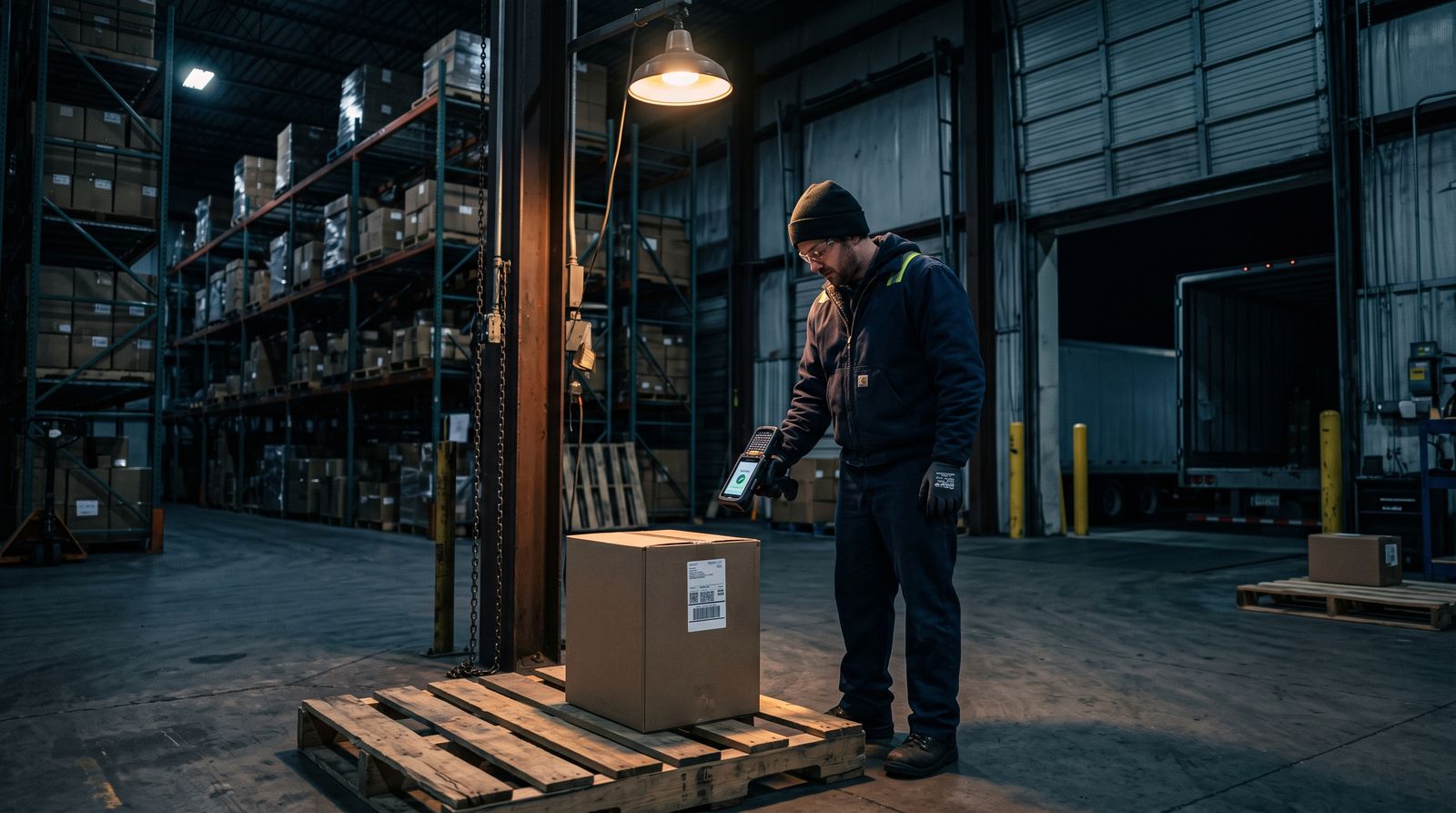
When brands hear "Returns Desk integrates with Loop Returns," a lot of them assume that means Loop now handles the warehouse side too. It does not, and understanding why is the key to understanding what the integration is actually for.
Loop Returns solves the customer-facing problem. A customer starts a return, gets a label, sees a status update, and the brand gets a clean self-service experience on that end. That is a real problem, and Loop solves it well. But none of that reaches the warehouse floor, since Loop does not grade the item, does not document its condition, does not decide whether it goes back to stock or gets flagged for fraud review, and does not tell your ops team what actually happened to the return once the box was opened.
What the integration actually connects
Why both layers matter
A brand running Loop without a warehouse-floor system is flying blind on the operational side. They know a return was initiated and received, but they do not actually know what happened to it once it hit the dock, and that is the gap between a portal and a platform, one that shows up as inventory errors, fraud losses, and disputes nobody can settle with documentation.
The integration exists because the two systems are solving different halves of the same problem. Loop owns the customer experience. Returns Desk owns what happens after the box arrives. Connected, they give the brand and the 3PL a complete picture instead of half of one.